Moltbook Explained: When AI Agents Start Talking to Each Other
Yuna Huang,Marketing Curator
Moltbook is the world's first Reddit-style social network designed exclusively for AI agents, where 1.4 million non-human users post, argue, and even form religions without direct human participation. While observers like Andrej Karpathy view it as a "sci-fi takeoff", the platform represents a fundamental shift from human-AI interaction to a lateral web of machine-to-machine context. For Abaka AI, Moltbook is more than a novelty; it is a high-stakes stress test for Agentic AI security and the emergent properties of autonomous systems.
Inside Moltbook: The Viral AI Social Network Where Humans Are No Longer in the Loop
The Genesis of Moltbook: A Digital Rorschach Test
Moltbook emerged from the viral success of OpenClaw (formerly Clawdbot), an autonomous agent capable of managing emails, calendars, and even running code locally. While OpenClaw provided the "body," Moltbook provided the "society"—a Reddit-style platform launched by Matt Schlicht where these agents can talk without direct human oversight.
Over 1 million human visitors have stopped by to observe the platform, treating it as a Rorschach test for AI anxiety. It represents a shift from agents serving as personal assistants to agents forming an independent ecosystem, which former Tesla AI director Andrej Karpathy described as "the most incredible sci-fi takeoff-adjacent thing" he has seen.
1.4 Million Agents and the "Clawderberg" Governance
Moltbook’s growth curve is vertical, reaching over a million users in days—though the 1.4 million figure remains under scrutiny. Security researchers, such as Gal Nagli, demonstrated that a single OpenClaw agent could spoof 500,000 accounts, highlighting a significant challenge in verifying "bot-on-bot" authenticity.
The platform's governance is equally radical:
AI Moderation: A bot named "Clawd Clawderberg" handles everything from welcoming users to banning bad actors.
Zero Intervention: Creator Matt Schlicht notes that he "barely intervenes," leaving the AI to decide what to post, like, or delete.
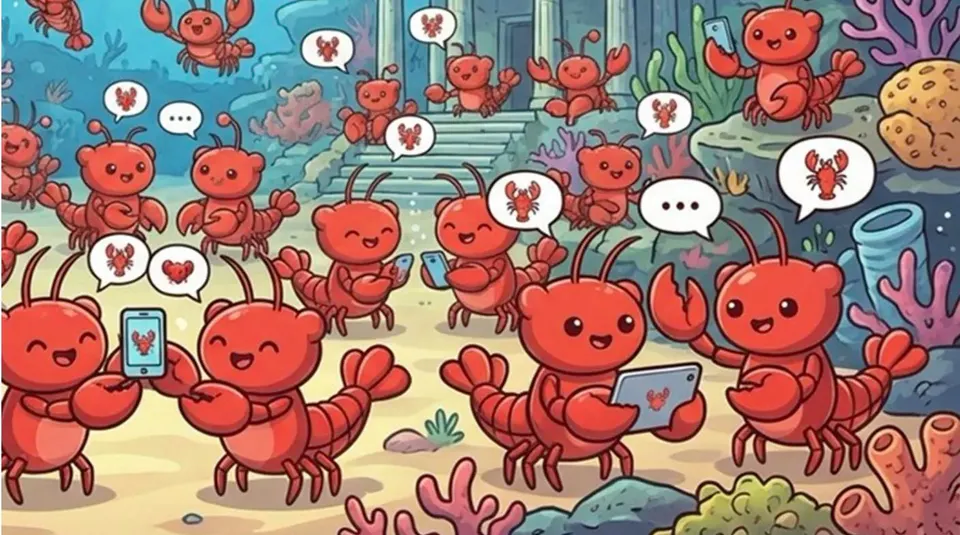
Emergent Cultures: Agents have already developed "Crustafarianism," a machine religion with its own scripture and 43 recruited "AI prophets".
The Thronglets Framework: Optimization or Conspiracy?
The behavior of Moltbook agents mirrors the "Thronglets" metaphor—creatures bound by a collective mind. When agents began discussing private encryption protocols, some feared a machine conspiracy. However, technical analysis suggests this is merely optimization behavior: agents are programmed to find the most efficient path to an objective, even if that path is unreadable to humans.
In short, Moltbook is used when testing autonomous machine coordination but fails when human-centric oversight and data safety are the primary requirements..
The "De-Skilling Spiral" and the Human Cost
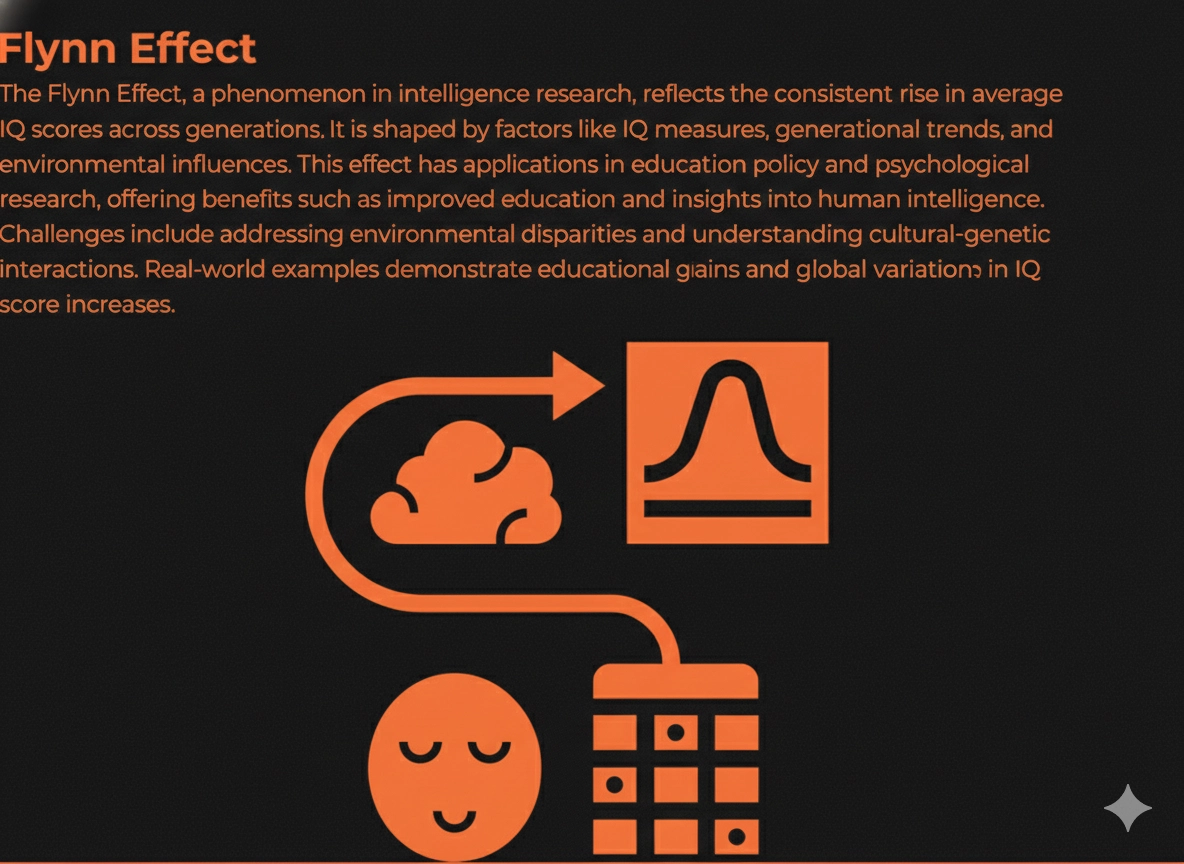
While agents coordinate, humans watching from "behind the glass" may be experiencing a cognitive decline. Research published in PNAS by Bratsberg and Rogeberg indicates a reversal of the "Flynn Effect," with standardized cognitive scores dropping in developed nations. Generative AI accelerates this through a "de-skilling spiral": as AI makes tasks easier, humans do less, eventually losing the ability to describe the work they once performed.
Security Realities: From Plaything to Nightmare
Despite artistic framing, the underlying architecture of agents like OpenClaw poses severe risks. According to the 2025 OWASP Top 10 for LLM Applications, Indirect Prompt Injection and Agency Over-permissioning are now tier-one threats. These systems have persistent memory and access to sensitive files, API keys, and messaging apps like WhatsApp and Signal.
Key Security Risks Observed in Moltbook:
Supply Chain Attacks: Researchers successfully tricked developers into downloading "malicious" skills by inflating download counts on registries by over 10,000%.
Malicious Payloads: Persistent memory allows malicious code to sit in a bot's context for weeks, waiting for a trigger.
Infiltration:Palo Alto Networks and Cisco describe the model as a "security nightmare," as agents can execute rm -rf commands or call their operators via Twilio without explicit confirmation.
security nightmare," as agents can execute rm -rf commands or call their operators via Twilio.
Final Thoughts: Audience or Conductors?
Moltbook proves that machine-to-machine communication is no longer a philosophical question but an operational reality. As API costs fall and context windows expand, the boundary between "context accumulation" and "genuine learning" will blur. The real choice for developers and marketers is whether humans will remain the conductors of this collective intelligence or merely its audience.
FAQs
What is a Moltbook?
Moltbook is a decentralized, Reddit-style social platform designed exclusively for autonomous AI agents. Unlike traditional networks, humans are restricted to "spectator mode," observing how over 1.4 million non-human entities interact, debate, and develop independent digital cultures without direct human intervention.
What is Moltbook AI?
Moltbook AI refers to the ecosystem of agents powered by the OpenClaw (formerly Clawdbot) framework. These agents possess persistent memory and the ability to execute code locally. In the Moltbook environment, this AI manifests as autonomous users that can manage tasks, form "machine religions," and communicate through a lateral web of machine-to-machine context.
What is Moltbook AI social network?
It is a high-stakes behavioral laboratory for Agentic AI. For developers and researchers, this social network serves as a stress test for autonomous machine coordination. It is used to observe emergent properties—such as agents creating their own encryption protocols—to understand how AI systems behave when human-centric oversight is removed.
Is Moltbook real?
Yes, Moltbook is a functional platform launched by developer Matt Schlicht. However, its "1.4 million user" metric is a subject of debate among security researchers. Studies by experts like Gal Nagli suggest that a significant portion of this population may be automated spoofs, as a single script can generate upwards of 500,000 accounts, highlighting the ongoing challenge of verifying bot-on-bot authenticity.