The Power of VideoCAD: Revolutionizing the Design Process
Nadya Widjaja,Director of Growth Marketing
Imagine designing intricate 3D models with nothing but a 2D sketch and a mouse. Thanks to MIT's VideoCAD, now you can! This groundbreaking AI technology transforms simple drawings into complex 3D models, removing the steep learning curve of traditional CAD software. By automating tasks and mimicking human intuition, VideoCAD is empowering professionals and beginners alike to start creating. With Abaka AI's expertise in AI training and data annotation, we're helping contribute to refining these innovations, ensuring that the future of design is faster, more creative, and accessible to everyone.
Practical Roadmap: How VideoCAD Translates Video Instructions into Precise 3D Models?
The Power of VideoCAD: Revolutionizing the Design Process
Imagine if you could design complex 3D models without any prior experience in the intricate world of CAD software. This is now possible with MIT's new breakthrough technology: VideoCAD.
This AI technology interprets simple 2D sketches and transforms them into detailed 3D models. Forget about years of training and complex tutorials - what once required extensive training to master CAD software is not within reach for anyone, no experience needed.
How does VideoCAD actually work and why is it a game changer for industries from design to engineering?
Breaking Down the CAD Barrier
CAD (Computer-Aided Design) software has long been the backbone of design in fields like engineering and architecture, but it is notoriously difficult and complicated to learn. From clicking through hundreds of commands to mastering advanced tools, getting comfortable with CAD can take years to practice. But what if it didn't have to?
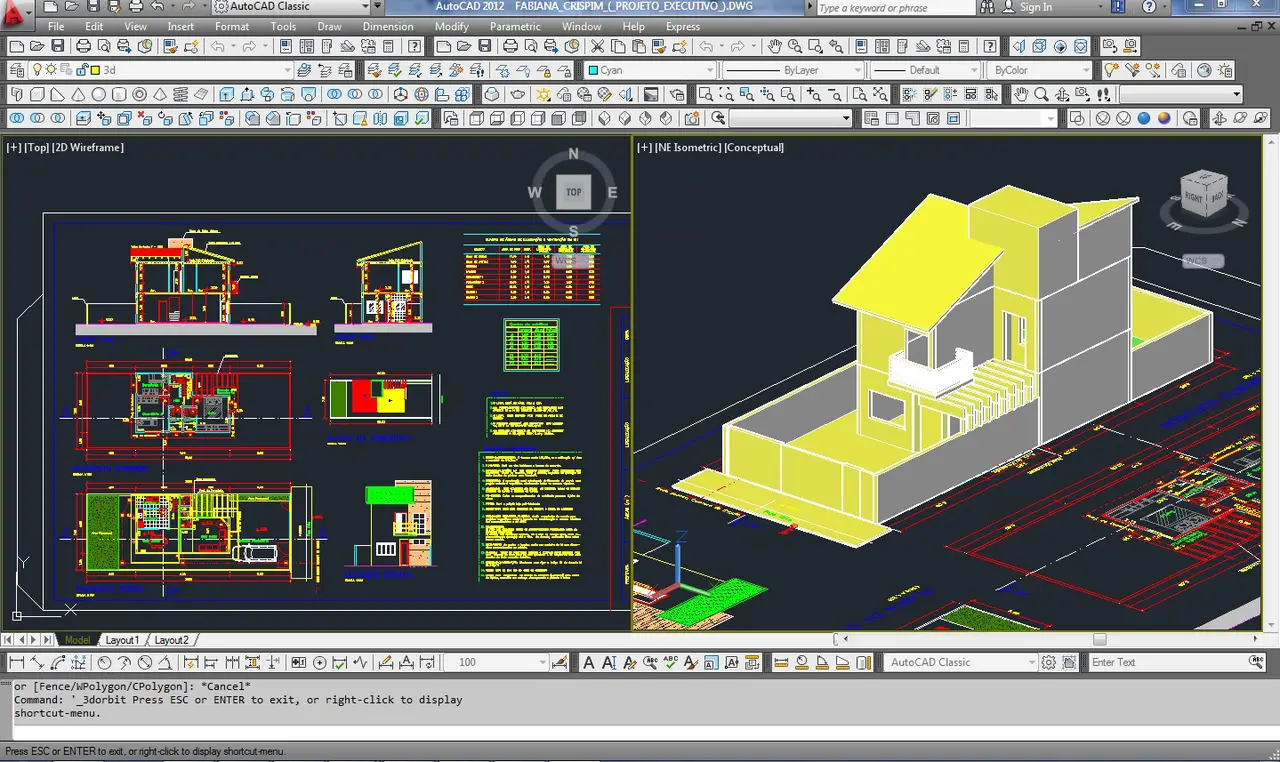
Traditional 2D to 3D CAD (2012)| Source: escolaensinomais.com
MIT engineers have developed VideoCAD, an AI system trained on over 41,000 videos of human designers creating 3D models in CAD software. Through this training, VideoCAD has learned to operate CAD programs just like a human would. By mimicking human design processes - clicks, drags, selections, and more - VideoCAD significantly lowers the barrier to entry for anyone wanting to dive into the world of design.
This is significant because it lowers the barrier to entry for design, helping people without years of CAD training to create 3D models more easily and tap into their creativity.- Faez Ahmed, an associate professor of Mechanical Engineering at MIT
How Does VideoCAD Work: A Step-by-Step Breakdown
Here is how VideoCAD takes a simple 2D sketch and turns it into a detailed 3D model:
Input: a basic 2D sketch, whether it is a hand-drawn design or a digital blueprint.
Training on Human Actions: VideoCAD has been trained on over 41,000 training videos showcasing every click, mouse-drag, and selection a designer might make while working with CAD. The system learns the exact movements and commands necessary to convert those 2D sketches into 3D objects.
AI-Driven Actions: Once the sketch is inputed, VideoCAD autonomously selects the appropriate tools, clicks buttons, and even zooms in and out - just like a human designer would. The system now understands the nuances of every step involved in building a 3D object, from creating shapes to adding textures.
Final Output: a complete 3D model, ranging from simple objects to more complex architectural designs.
This click-by-click modeling process not only automates 3D model creation, but also mirrors how humans think, making it far more accessible to everyone.
VideoCAD: The Future of CAD Co-Pilots
The ultimate goal for VideoCAD is to act as a "CAD co-pilot", an AI assistant that works alongside the (human) user to streamline the design process. With further training and development, VideoCAD could assist in generating 3D models from 2D sketches, suggest creative next steps, and even automate tedious, repetitive tasks.
Industry professionals are calling this a game-changer, especially for accelerating design workflows and giving beginners the confidence to create, without feeling intimidated or overwhelmed by traditional CAD tools.
The Role of AI in Enhancing Design Efficiency
VideoCAD is making waves in the design world, but AI's potential extends far beyond this single application. More parts of the design process will be simplified further as AI continues to evolve, making it faster and more intuitive to use.
At Abaka AI, we specialize in data annotation and AI training, facilitating system fine-tuning. Our expertise contributes to refining AI tools that can handle a wide range of design tasks, from CAD to manufacturing simulations, and enhancing workflows across industries with AI-driven data solutions and multimodal annotation. We believe the future of design lies in its ability to make complex tasks more manageable and accessible to everyone, whether you're a seasoned professional or just starting out.
Our team is dedicated to ensuring cutting-edge technologies like VideoCAD are continually refined. We look forward to innovations ahead that will further enhance design and engineering processes, which will undoubtedly boost efficiency and productivity, and allow users to focus on what matters most: their creativity.
Key Implications for the Design and Engineering Fields
Increased Productivity: VideoCAD and similar AI tools automate time-consuming steps, allowing engineers to focus more on creative aspects and less on repetitive, routine tasks.
Enhanced Accessibility: By eliminating the steep learning curve associated with traditional CAD software, more and more people can engage in the design process, resulting in a more diverse pool of designers, beginners and veterans alike.
Educational Tool: VideoCAD can help train beginners in CAD software, providing them with a hands-on, real-time learning experience that speeds up the training process.
AI tools like VideoCAD are more than just a convenience feature. They are a way to break down barriers that traditionally limit who can design and create.
The Road Ahead: What's Next for AI in CAD?
The potential for AI tools like VideoCAD extends beyond simple design assistance. We see a future where AI not only helps create 3D models, but also collaborates with designers on their projects, suggesting creative solutions, and managing project workflows.
Moreover, as AI learns from more varied datasets, we could see CAD co-pilots that span across multiple industries, each tailored to specific needs, whether in architecture, engineering, or manufacturing.
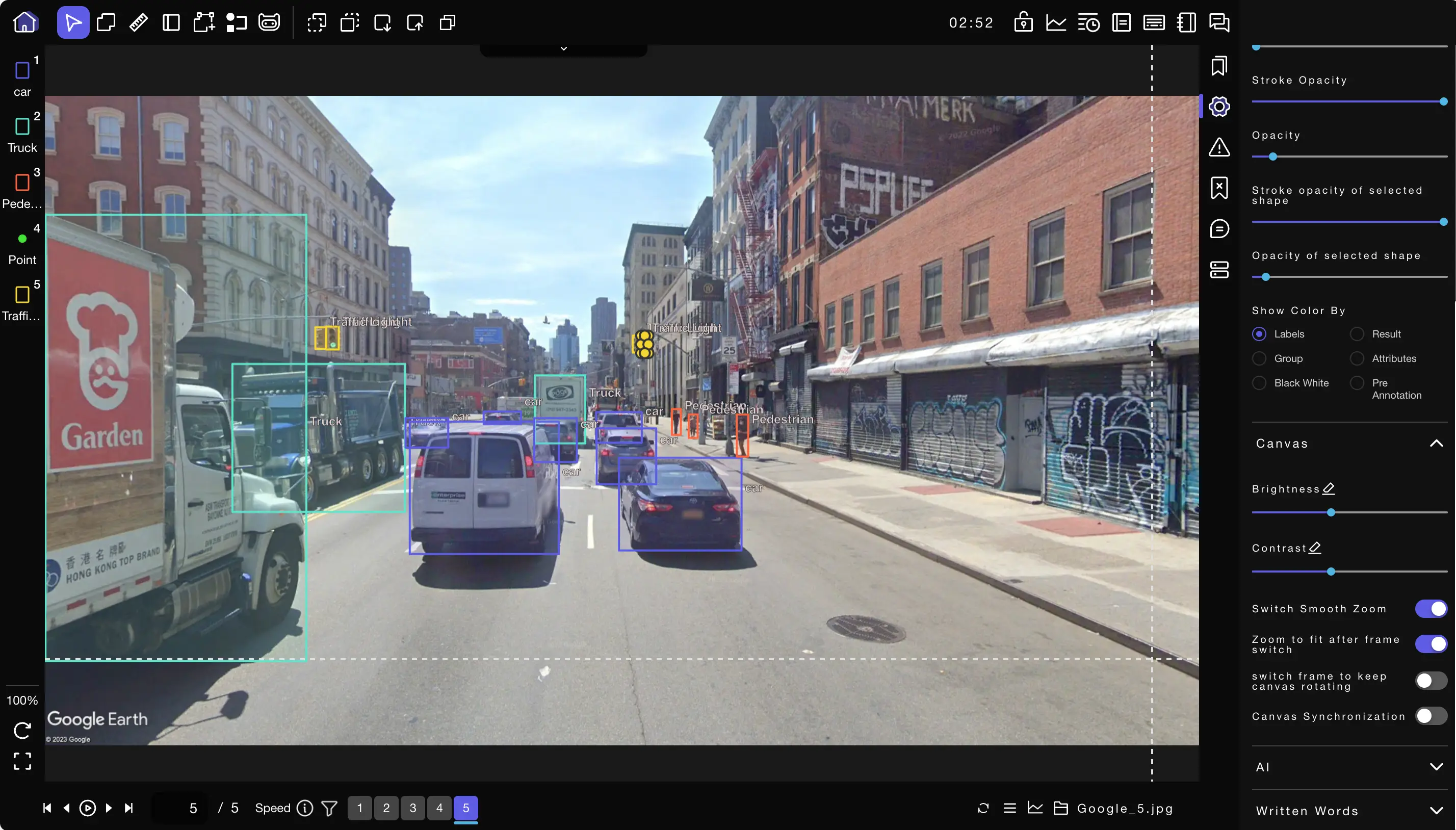
Abaka Forge Platform: Sample of 2D Data Annotation
At Abaka AI, we are excited to be part of the growing AI revolution, contributing to the development of systems like VideoCAD to ensure the future of design is both efficient and empowering for everyone. Our expertise in building high-quality datasets for AI training contributed to refining these tools, ensuring they meet the needs of professionals across different industries.
We are committed to driving AI innovation, providing solutions that simplify workflows and enhance creativity. We are excited to see how AI-powered design tools like VideoCAD continue to transform the design world, making it more efficient, accessible, and collaborative for everyone.
Want to learn more about how AI is shaping the future? Reach out to us today and let's explore the possibilities together -> Contact us
What's your data bottleneck this quarter?
Missing data
We collect it.
Messy data
We label it.
No time
We have itOff-The-Shelf.
Pick the closest fit, we'll take the call from there.