Best data annotation tools for machine learning in 2025
Nadya Widjaja,Director of Growth Marketing
High-quality data annotation has become a decisive factor in model performance in 2025. Instead of identifying a single "best" tool, this article compares leading data annotation platforms by category and evaluation criteria, helping teams to choose the right annotation tools based on data type, scalability, quality requirements, and machine learning workflow integration.
Best data annotation tools for machine learning in 2025
With the year coming to an end, we can gather the best data annotation tools for machine learning in 2025. AI models are becoming more complex and data-hungry, making data annotation no longer a simple preparation step. Instead, it has become a core determinant of model performance, scalability, and deployment success.
Identifying the "best" data annotation tool, however, is far from straightforward. Different sources rank platforms differently based on varying criteria and goals, whether it be speed, cost, data modality coverage, or quality control. Rather than naming a single winner, this article takes a structured approach by first defining what "best" means in 2025, and then reviewing leading annotation solutions by category and evaluation criteria.
How Do We Define the "Best" Data Annotation Tools in 2025?
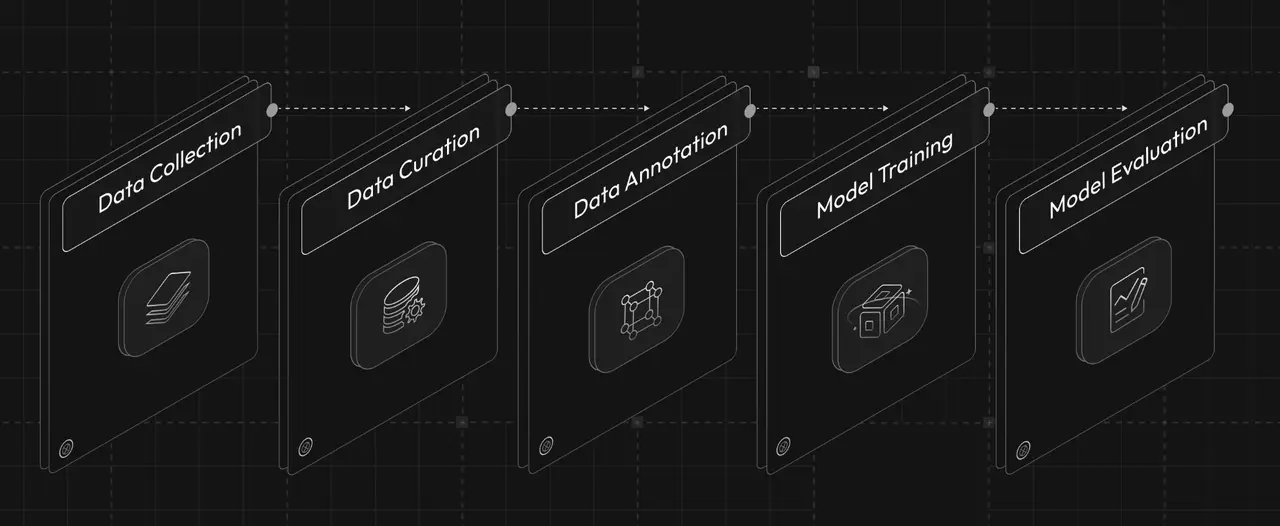
In 2025, data annotation tools are evaluated less by basic labeling features and more by how well they support modern machine learning workflows. Based on recurring themes across industry rankings, enterprise reviews, and user feedback, the following criteria consistently matter most.
1. Annotation Efficiency
How effectively does the platform reduce manual effort through automation, pre-labeling or workflow optimization?
2. Supported Data Types
Does the tool support different data types such as images, video, text, audio, 3D, LiDAR, medical imaging, and multimodal data?
3. Annotation Quality & Review
Are there built-in review workflows, consensus mechanisms, quality assurance tools, or expert validation?
4. Scalability & Cost Control
Can the solution scale from thousands to millions of labels without costs or operations becoming unmanageable?
5. Integration with ML Workflows
Does the platform integrate cleanly with training, evaluation, and deployment pipelines through APIs, SDKs, or active learning loops?
Together, these five criteria form the basis for subsequent comparisons and categorizations.
What Are the Leading Data Annotation Tool Categories in 2025?
Rapid Prototyping and Developer-Centric Tools
These tools are commonly used by individual developers, researchers, and early-stage startups prioritizing speed and ease of use.
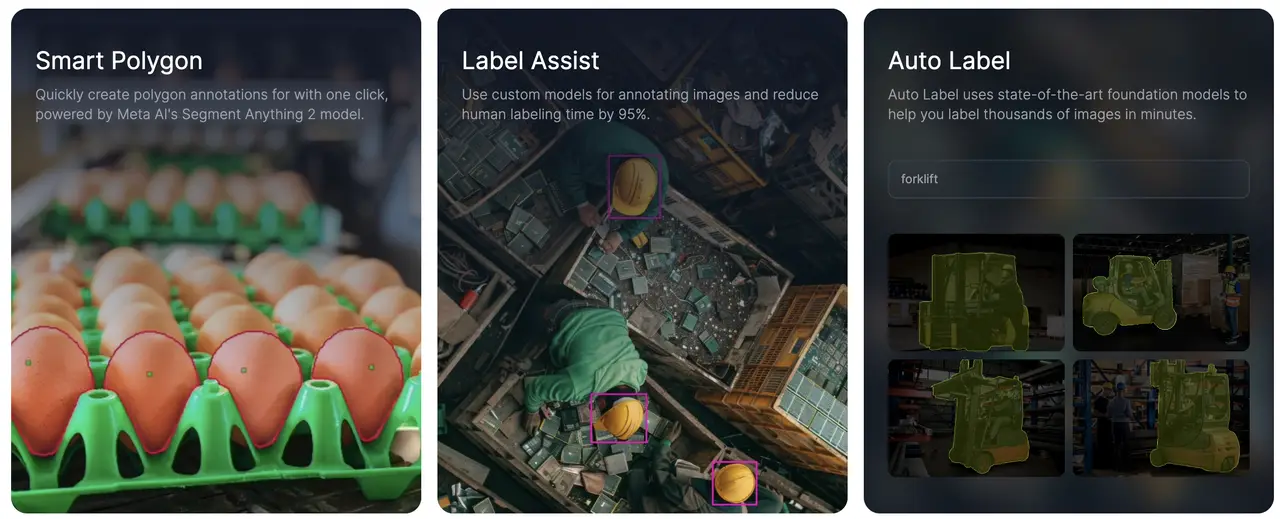
Roboflow = Frequently chosen for fast iteration in computer vision (CV) projects, with strong dataset management and preprocessing features.
Roboflow Annotation Tools
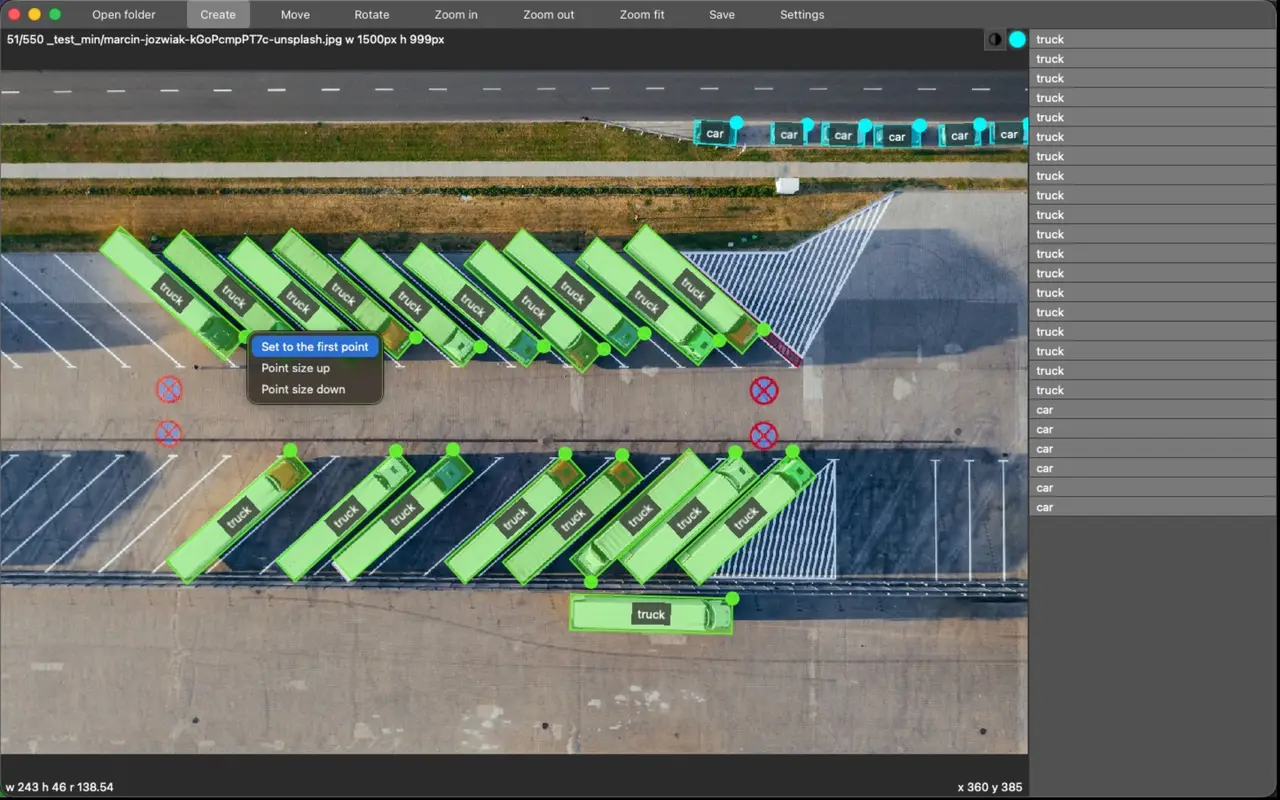
LabelImg, RectLabel = Lightweight tools focused on bounding box annotation, often used in academia or small-scale projects.
RectLabel Bounding Boxes Annotation
Best for: early experimentation and proof-of-concept models
Trade-off: limited quality governance and scalability
Open-Source and Self-Hosted Annotation Platforms
These platforms are designed for teams seeking full control over infrastructure and workflows.
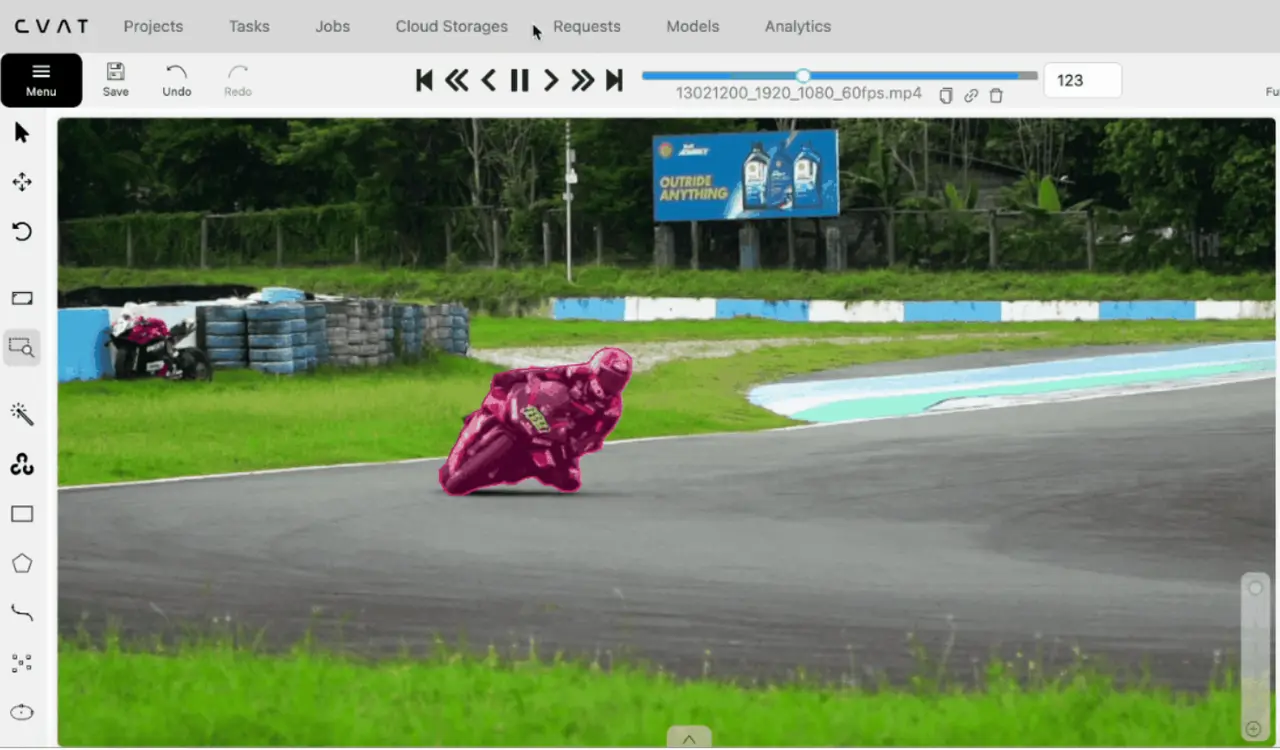
CVAT= One of the most widely adopted open-source annotation platforms, supporting a wide range of computer vision tasks.
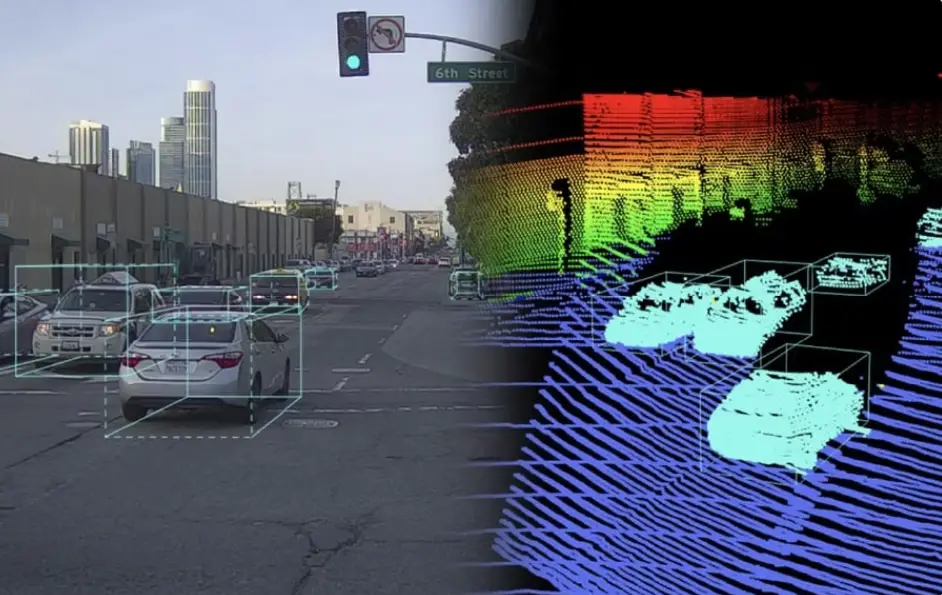
CVAT Autonomous Vehicles Masking
Label Studio, Diffgram = Flexible platforms that support multiple modalities but require in-house engineering resources.
Label Studio Semantic Segmentation with Polygons
Best for: cost-sensitive or infrastructure-heavy teams Trade-off: higher operational complexity
Enterprise Self-Serve Annotation Platforms
These platforms support large internal annotation teams with collaboration, automation, and governance features.
Labelbox= Known for end-to-end workflow coverage and active learning capabilities.
Encord = Commonly adopted for video-heavy, medical, or high-compliance use cases.
Encord Annotation
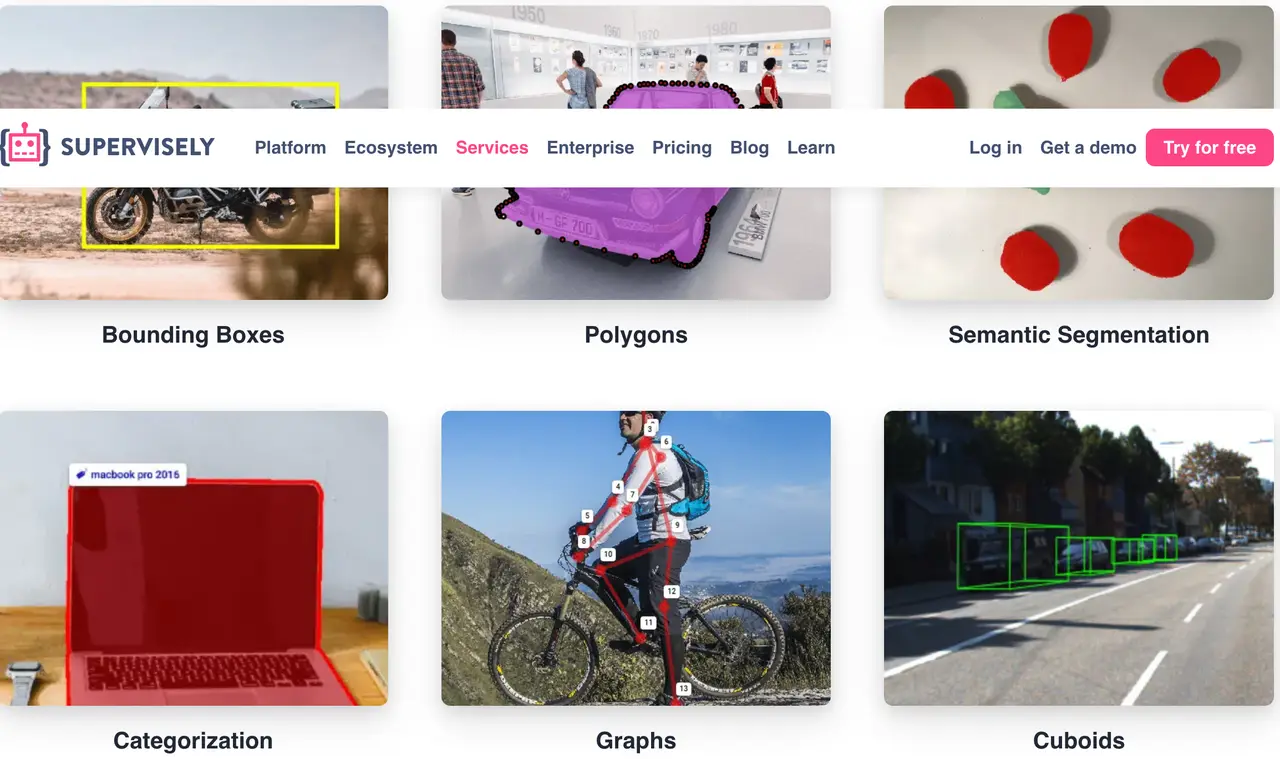
Dataloop, Supervisely, V7 = Platforms combining annotation, dataset management, and ML integration.
Supervisely Annotation Services
Best for: scaling annotation across teams Trade-off: higher cost and steeper learning curve
AI-Assisted & Automation-First Tools
These tools focus on minimizing manual labeling through modern vision or language models.
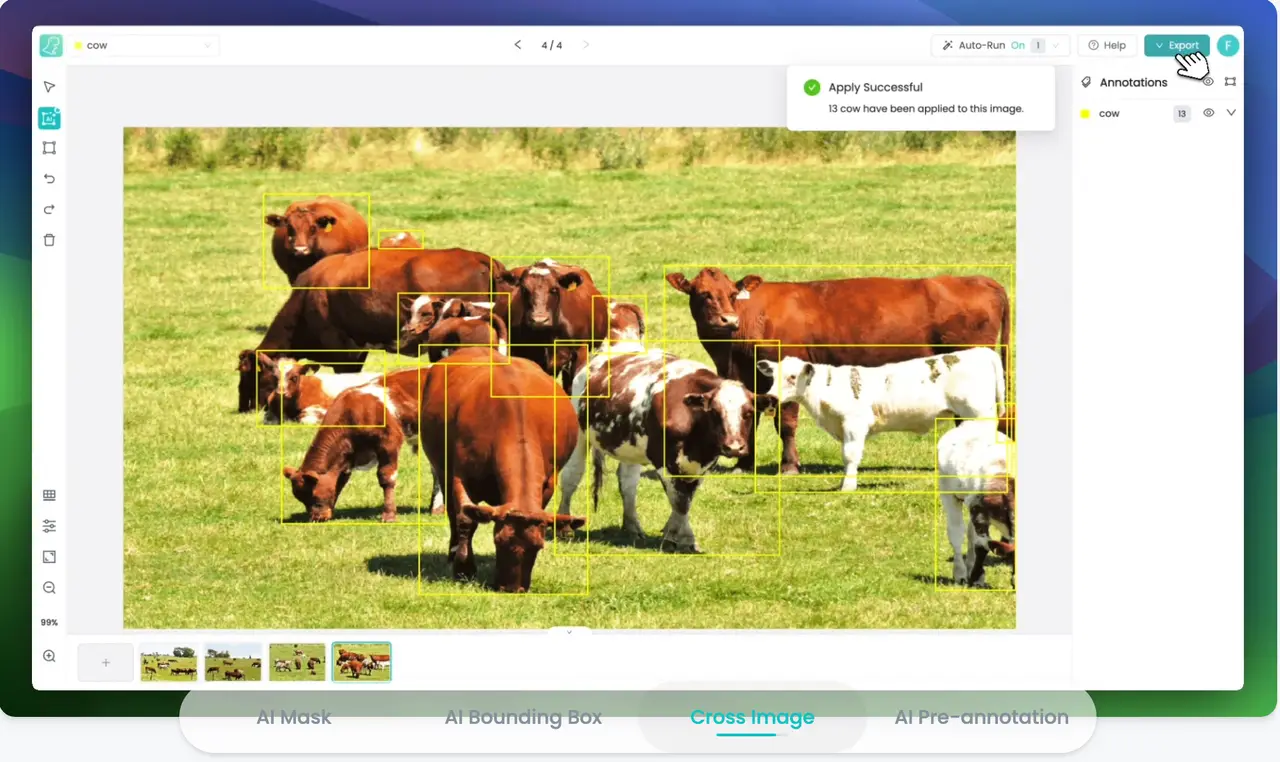
T-Rex Label = Noted for automatic bounding box and mask annotation using state-of-the-art vision models.
T-Rex Label Cross Image Annotation
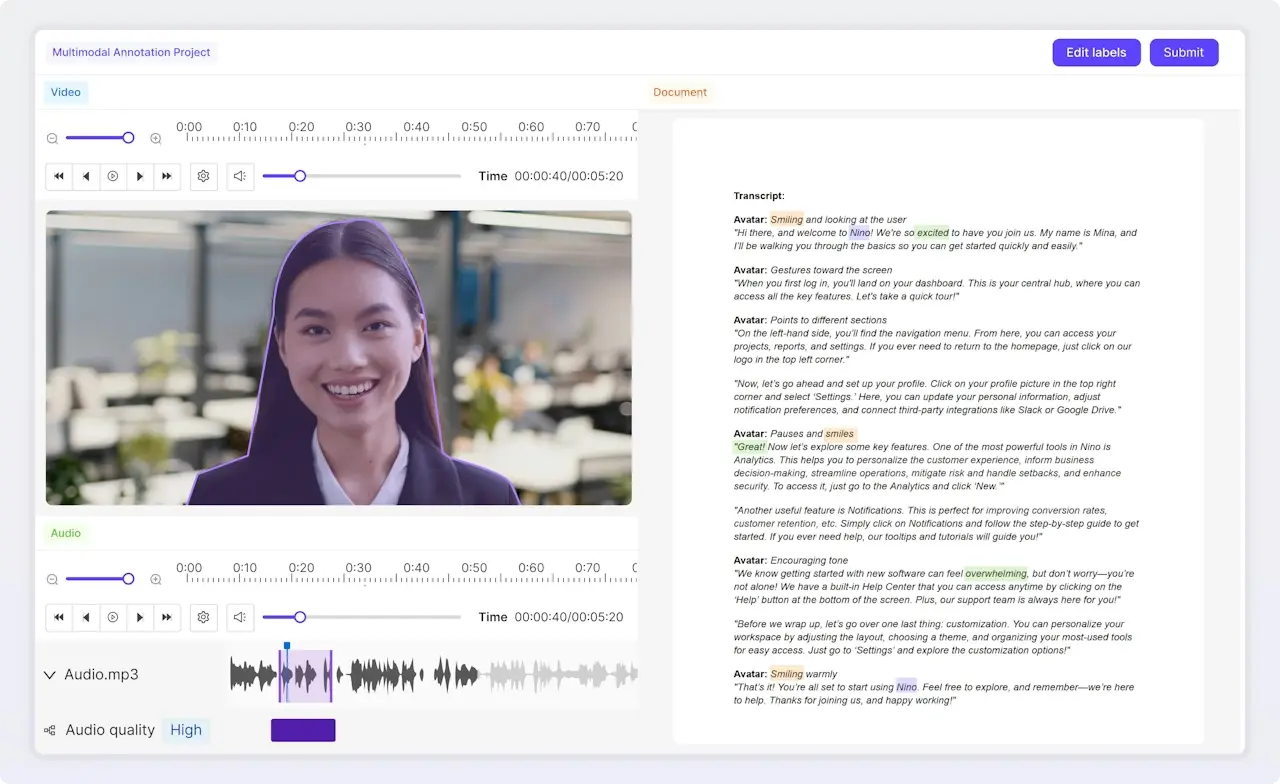
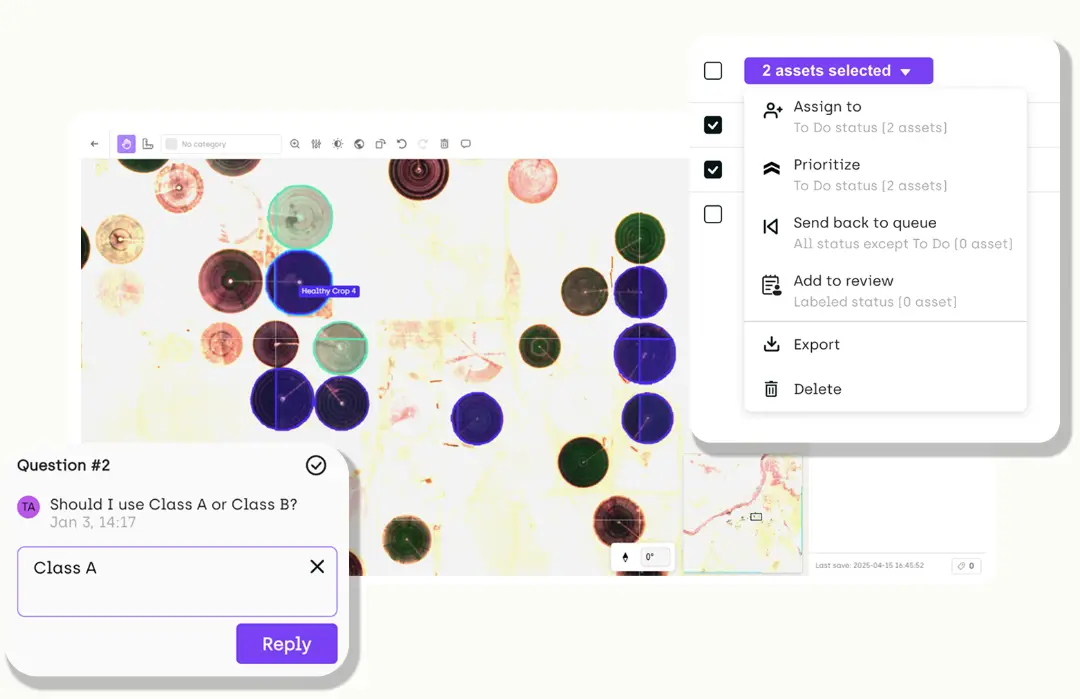
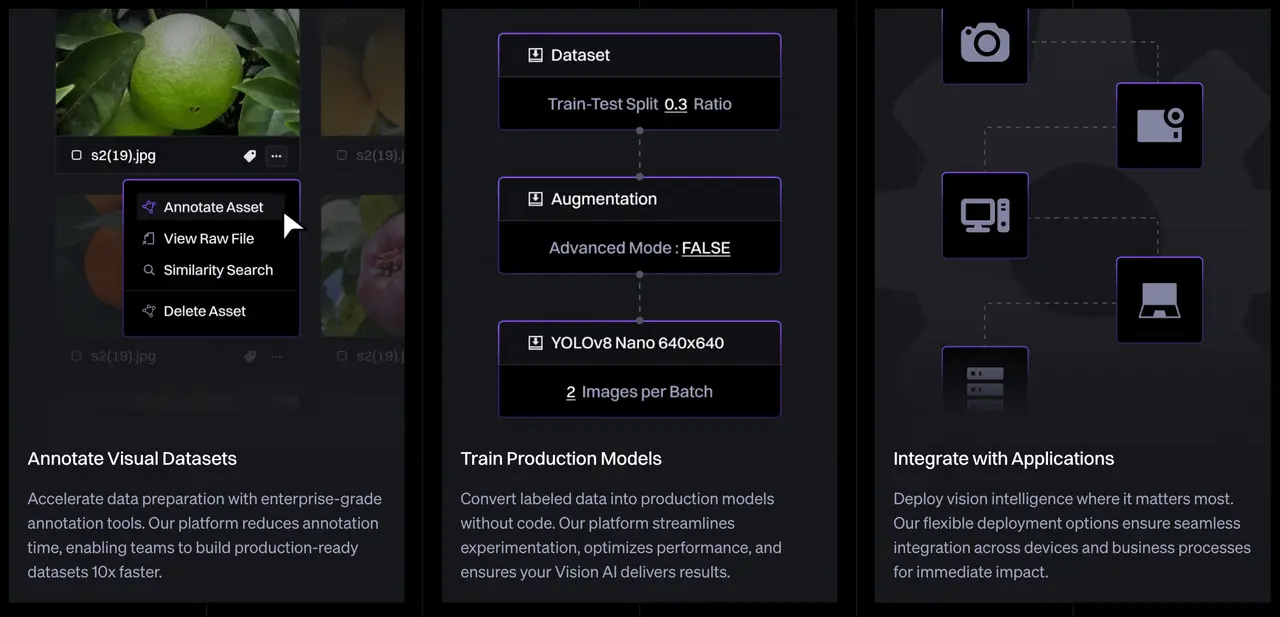
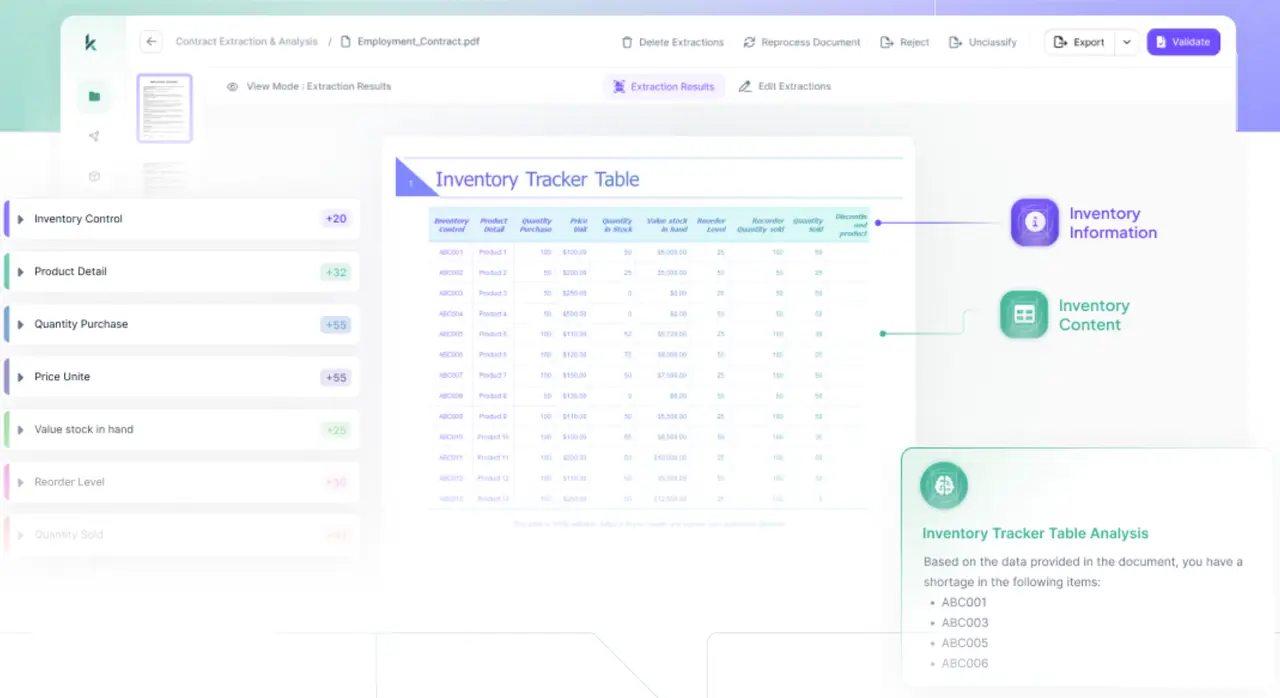
Kili, Datature = Tools that combine AI-assisted labeling with configurable workflows, often used in LLM or generative AI tasks.
Kili Integrated Communication Within Annotation Platform
Kili Integrated Communication Within Annotation PlatformDatature Annotation Scalability and Integration
Best for: speed and cost efficiency Trade-off: narrower task coverage or limited QA depth
3D, LiDAR & Autonomous Systems Annotation
These tools are specialized platforms for robotics and sensor fusion.
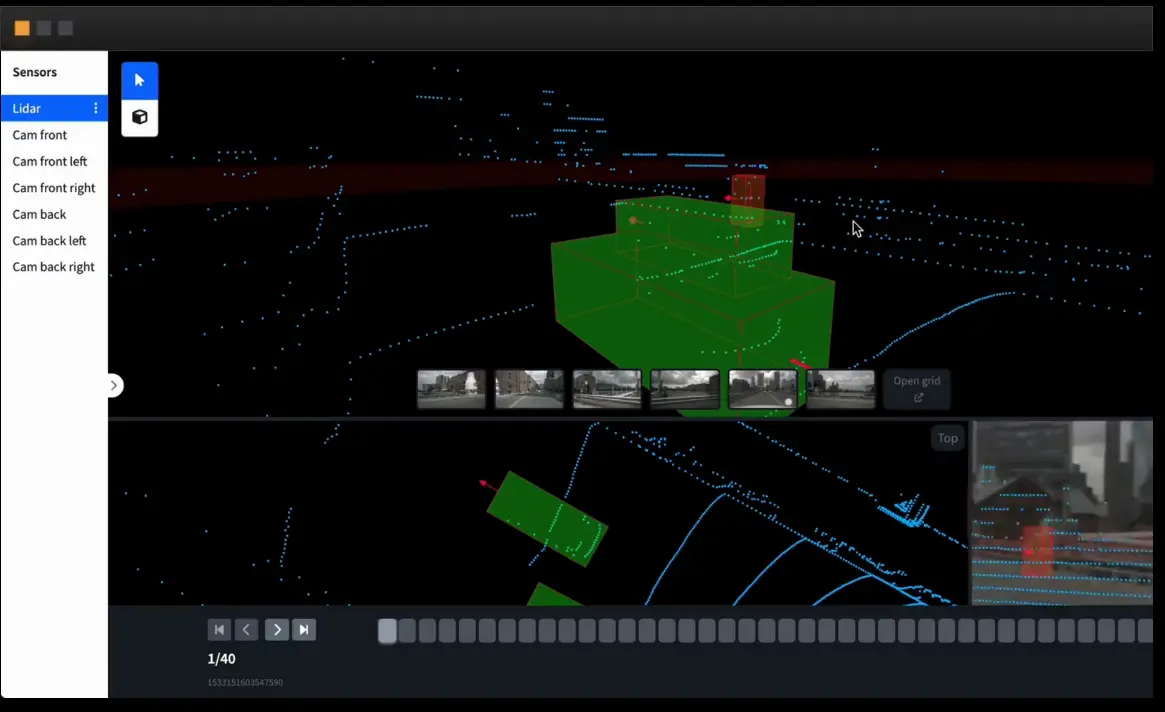
BasicAI, Segments.ai= Frequently cited for LiDAR, point cloud, and multi-sensor annotation.
Basic AI Sensor FusionSegments.ai Multi-Sensor Labeling
Best for: autonomous driving and robotics Trade-off: limited general-purpose flexibility
Domain-Specific Annotation Tools
These are platforms optimized for specific industries or data types.
Best for: high domain accuracy Trade-off: limited cross-domain use
Managed Annotation & Evaluation Solutions
These platforms deliver annotation as a managed service, combining tooling with trained annotation workforces and structured quality assurance processes.
Abaka AI focuses on model-aligned annotation and evaluation, combining trained human annotators with structured quality assurance to support multimodal, video-heavy, and reasoning-focused machine learning systems.
These providers are typically used when annotation quality, consistency, and reliability are as important as scale, especially in production or high-stakes machine learning systems.
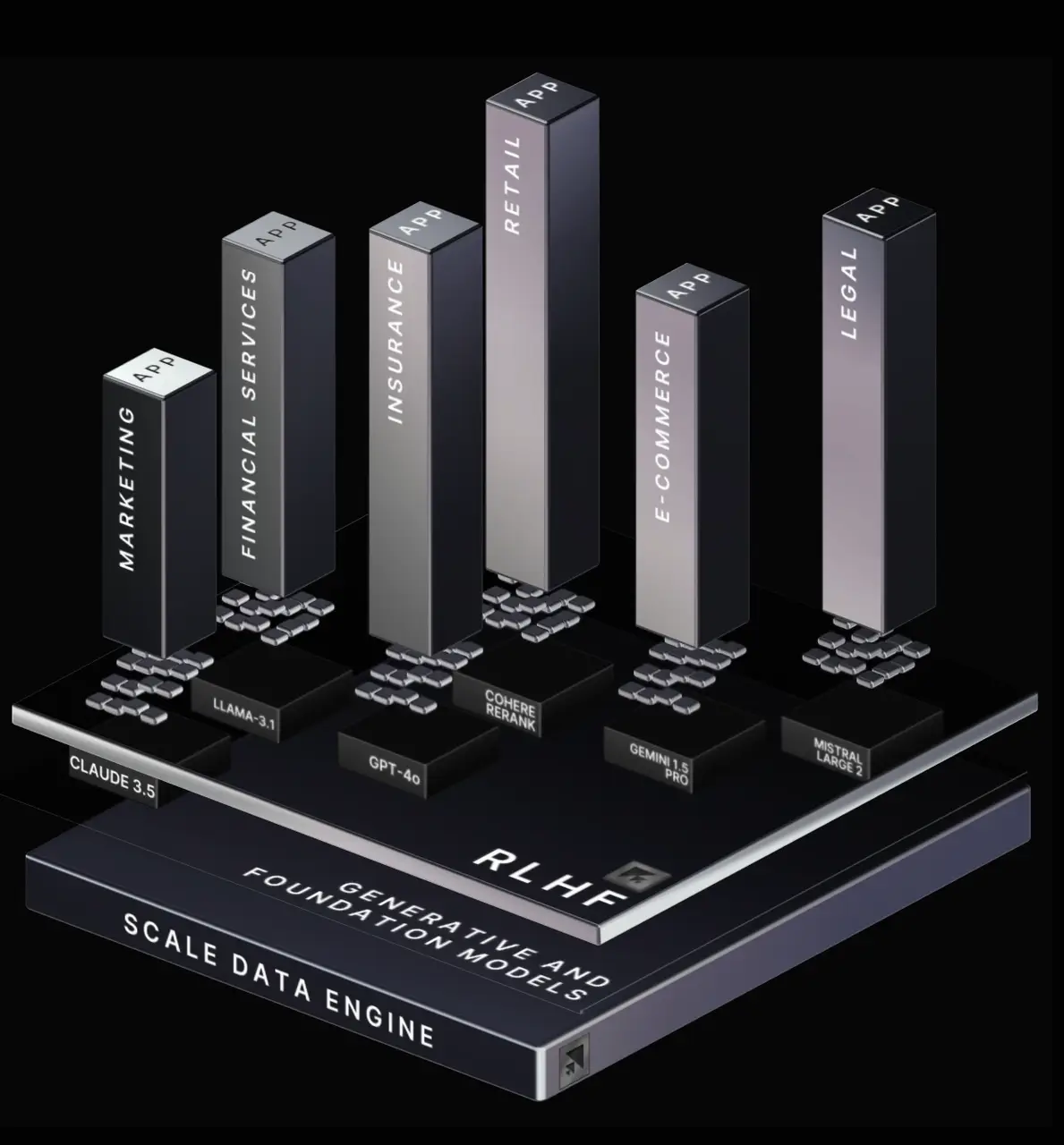
SuperAnnotate AI Data PlatformScale AI Data Engine
How Do Top Data Annotation Platforms Compare Across Evaluation Criteria?
The table below summarizes how commonly referenced platforms compare across the five evaluation criteria discussed earlier.
Platform
Efficiency
Supported Data Types
Quality & Review
Scalability & Cost
ML Integration
Roboflow
High
Medium
Medium
Medium
High
Labelbox
High
High
High
High
High
Encord
Medium-High
High
High
High
High
SuperAnnotate
Medium-High
High
High
High
High
V7
High
Medium
High
Medium-High
High
Dataloop
Medium
High
Medium-High
High
High
CVAT
Low-Medium
Medium
Medium
High
Medium
T-Rex Label
High
Low-Medium
Medium
High
Low-Medium
BasicAI
Medium
High (3D/LiDAR)
High
High
Medium-High
Amazon SageMaker Ground Truth
Medium
High
Medium-High
Medium
High
Where Does Abaka AI Fit in the 2025 Annotation Landscape?
Abaka AI focuses on outcomes rather than interfaces alone.
Criteria
Abaka AI
Annotation Efficiency
High (model & human-in-the-loop)
Supported Data Types
High (image, video, multimodal, text, reasoning)
Annotation quality & review
Very High (trained workforce, multi-stage QA)
Scalability & Cost
High (managed performance, reduced rework)
ML Integration
High (pre-training, post-training, evaluation)
In practice, Abaka AI is often used alongside self-serve annotation tools when teams require higher label consistency, fine-grained taxonomies, or evaluation-ready datasets, especially for multimodal, video-heavy, or reasoning models.
Conclusion: How Should Teams Choose the Best Data Annotation Tool in 2025?
The best data annotation tools for machine learning in 2025 are not defined by a single ranking, but by how well they align with specific project requirements. Some tools excel at rapid experimentation, others at enterprise-scale workflows, and others at domain-specific accuracy or automation.
Annotation strategies are shifting alongside the evolution of AI systems towards multimodal, video-based, and reasoning-heavy models. Where annotation once relied mainly on simple labeling tools, it now emphasizes quality and model alignment.
Ultimately, the best annotation solution is the one that enables teams to build better models, faster, and with greater confidence in their training and evaluation data.
Disclaimer: This article reflects the author's independent research, synthesis of publicly available sources, and observed industry trends as of 2025. The categorization and evaluation of data annotation tools presented here are intended for informational purposes only and do not constitute a definitive ranking or an exhaustive representation of the market. Platform capabilities, pricing, and features may change with time, and different organizations may prioritize different criteria based on specific use cases and constraints. References to specific tools or providers should not be interpreted as endorsements, nor do they represent the official views or market positioning of Abaka AI. Readers are encouraged to conduct their own evaluations and research when selecting a data annotation solution.
Learn More About Data Annotation and Evaluation at Abaka AI
Contact Us - Speak with our specialists about managed data annotation, synthetic data, and multimodal training pipelines.
Explore Our Blog - Read insights on multimodal annotation, LLM/VLM evaluation, and data quality best practices.
See Our Latest Updates - Discover new releases, product enhancements, and research partnerships.
Read Our FAQs - Find answers to project workflows, quality standards, and data requests.