Is Your Data Annotation Contact Information Truly Secure?
Nadya Widjaja,Director of Growth Marketing
AI adoption is exploding, but the security of the data annotation has not kept pace. Your contact information moves across tools, vendors, and human reviewers, every step introducing a risk of leakage. This article uncovers what really happens behind the scenes and how to protect your contact information before it's too late.
Is Your Data Annotation Contact Information Truly Secure?
With AI growing at a pace that feels like it's taking over the world, companies are racing to jump on the bandwagon, rapidly scaling their AI initiatives and outsourcing large volumes of annotation work. But with this expansion comes a critical question: Is your sensitive data truly secure throughout the annotation process?
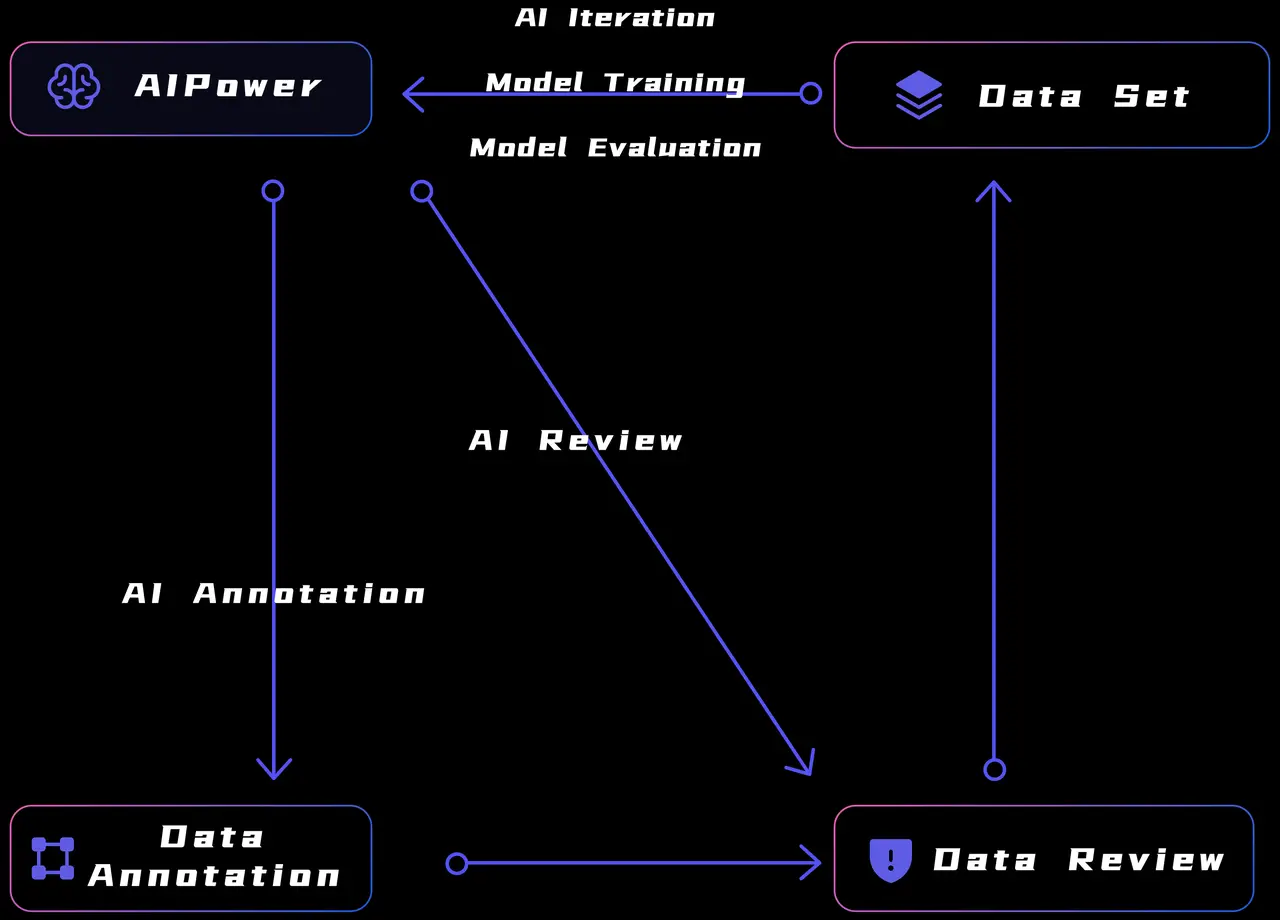
Abaka AI: Security Checks Across Annotation process
What Does Data Annotation Actually Involve?
Data annotation provides structured labels that allow AI systems to interpret the world the way humans do. From bounding boxes around a pedestrian, to sentiment labeling in customer review, data annotators add meaning to raw, unlabeled data so that models can learn accurately.
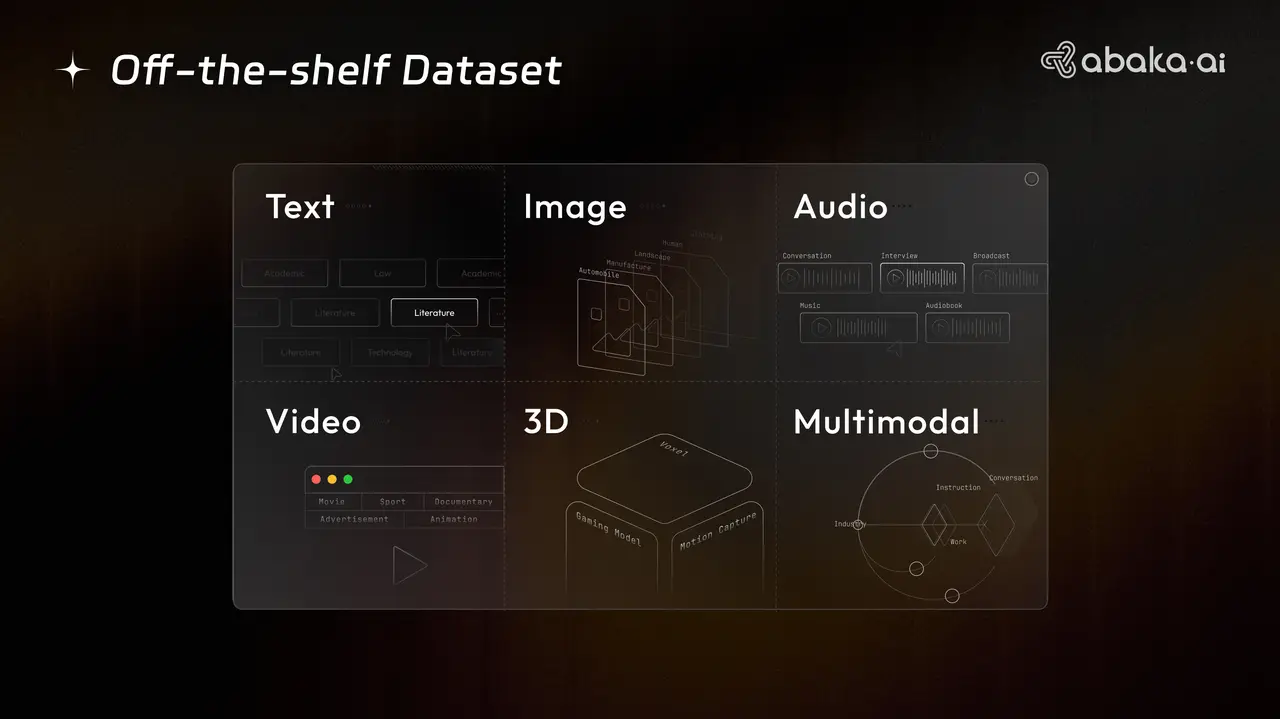
No matter the modality, they often contain highly sensitive contact information, user-generated text, voice recordings, customer messages, and location-linked metadata, making security a non-negotiable requirement.
Abaka AI OTS Dataset Modalities - All Need Data Security
Why Makes Data Security Critical?
AI adoption is accelerating at an unprecedented rate. What was only 20% of companies globally beginning to experiment with AI in 2017 now grew to almost 90% of companies worldwide using AI in at least one business operation. Stanford's HAI reports that global private AI investment has grown 13x over the past decade. GenAI alone reached $33.9B in private funding in 2024, an 18.7% YoY increase, accounting for over 20% of all AI investments.
Despite this growth, 77% of organizations still lack foundational data security practices, particularly around outsourced annotation workflows.
Data security matters because it:
Protects individuals' identities and private information
Prevents misuse, fraud, or unauthorized sharing
Ensures data consistency, accuracy, and is up to date
Reduces compliance risks under GDPR, CCPA, HIPAA, and industry-specific regulations
If your annotation provider mishandles your data, the liability becomes yours.
What Are the Most Common Security Threats in Data Annotation?
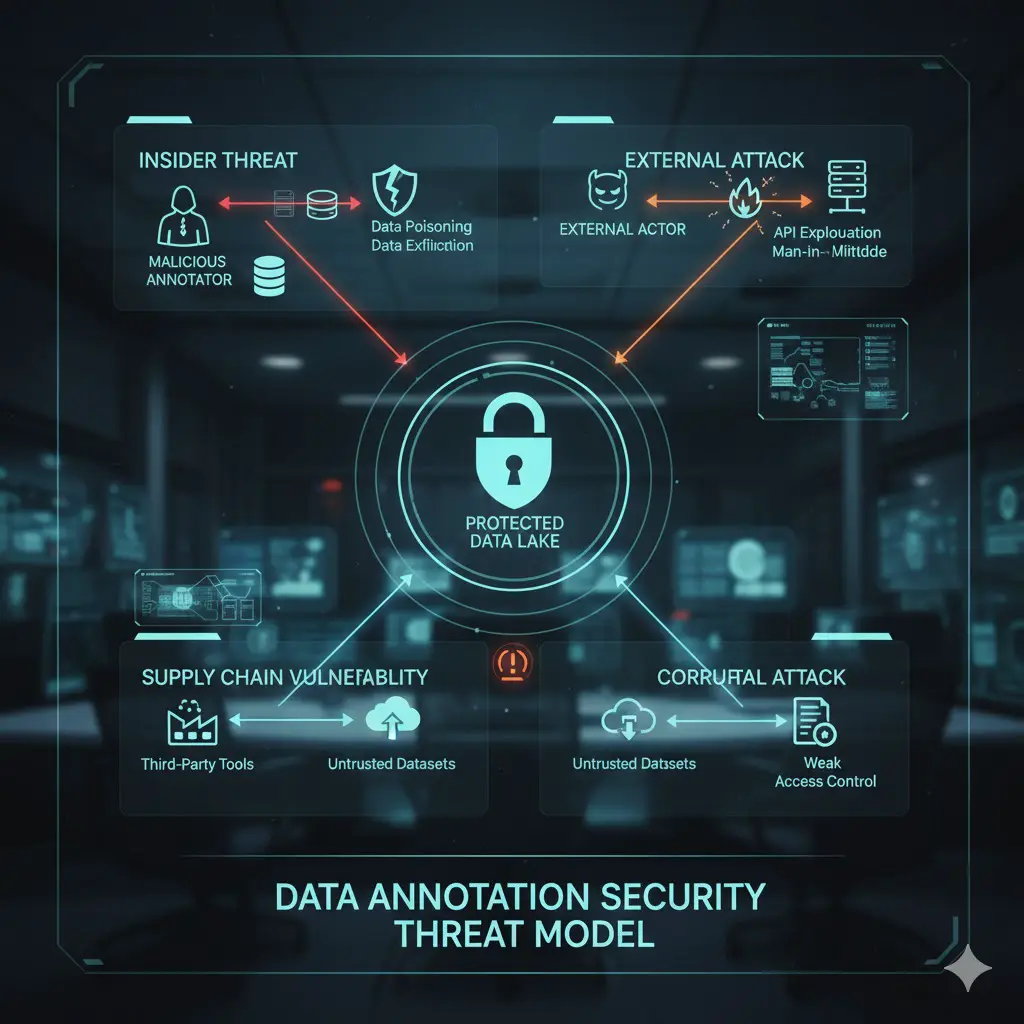
Security risks appear at multiple points in the workflow, from data collection to annotation. Common threats include:
Unauthorized access to sensitive files
(Accidental) data leakage through personal devices or cloud-sharing
Lack of encryption during storage or transfer
Improper device security, such as using public Wi-Fi or unprotected laptops
Human errors or insider threats
Weak vendor vetting and inconsistent security compliance
Screenshots or downloads taken by annotators without restrictions
Low-quality annotations leading to unreliable or harmful model output
According to IBM's Cost of a Data Breach Report 2025, Insider threats and 3rd party vendors are the 2 main sources of data breach, with human error contributing 21% of data breaches. This emphasizes the need for controlled, auditable annotation environments.
AI-generated: Security Risks Across the Annotation Lifecycle
How Can You Protect Your Data?
Don't worry, not all hope is lost! Here are security best practices every organization should implement before outsourcing:
Encryption, the first step. The foundation of data security is protecting information when it's not being actively processed. Secure annotation platforms use strong encryption methods such as AES-256, ensuring data remains unreadable even if a server is compromised. Encryption protects databases, file transfers, and stored assets, even in worst-case scenarios.
Regular Security Audits - what are you waiting for? Security audits reveal weaknesses, misconfigurations, and gaps before attackers do. Routine assessments allow teams to identify vulnerabilities and verify compliance. A strong annotation vendor performs audits frequently, not as an afterthought.
Expert Annotator Training, the bare minimum. Even the strongest security system fails if the humans operating it are not well trained. Annotators must understand security protocols, secure password management, phising identification, and data-handling rules. Continuous training keeps teams aware of emerging threats and prevents avoidable human-driven breaches.
Using Secure Tools, built for protection. Secure annotation platforms integrate protection at every layer, including but not limited to encrypted storage, watermarked UIs, audit trails, access permissions, and screenshot prevention. Tools need to be updated regularly and be compliant with industry standards like SOC2, ISO27001, or GDPR. Choose your tools wisely.
Multi-Factor Authentication - annoying, but do it. MFA adds a second layer of security. Even if a password is compromised, MFA ensures that unauthorized users cannot access sensitive data or annotation environments. For projects involving PII, PHI, or financial information, MFA should be mandatory.
Access Controls, keep it restricted. Role-based Access Control (RBAC) ensures that users can only see the information required for their specific tasks. Limiting access minimizes the likelihood of accidental leaks and reduces insider threats, whether it is intentional or not. Sensitive data should never be visible to everyone.
Monitor and Log Activity, no surprises allowed. Effective annotation systems track all actions, including logins, file downloads, task assignments, and unexpected access attempts. Real-time alerts and detailed logs allow security teams to detect irregular behavior before it escalates into a breach.
Limit Data Retention, not a second longer. Data should only be stored for as long as necessary for annotation and validation. When a project concludes, the data must be securely deleted or archived according to retention policies. Automated data-purging tools help organizations reduce exposure and remain compliant.
What Questions Should You Ask Before Outsourcing Annotation Work?
Make sure you know the answers to these questions before selecting a vendor:
How sensitive is my data? Does it include PII, PHI, financial, government data?
Where will my data be stored?
How will my data be transferred and accessed?
Where will the annotation take place? Which platform is used?
Who will have access to my data?
What training do the annotators go through?
What regulations do you comply with?
What security features does your annotation platform include?
A trustworthy annotation provider will be transparent with these questions.
What Are the Key Takeaways?
With the rapid expansion of AI implementations and workloads, data annotation security is no longer optional. Every project that handles contact information, customer messages, or user-generated content must adopt a rigorous security framework.
A little recap:
AI adoption is surging, but most companies lack proper security controls